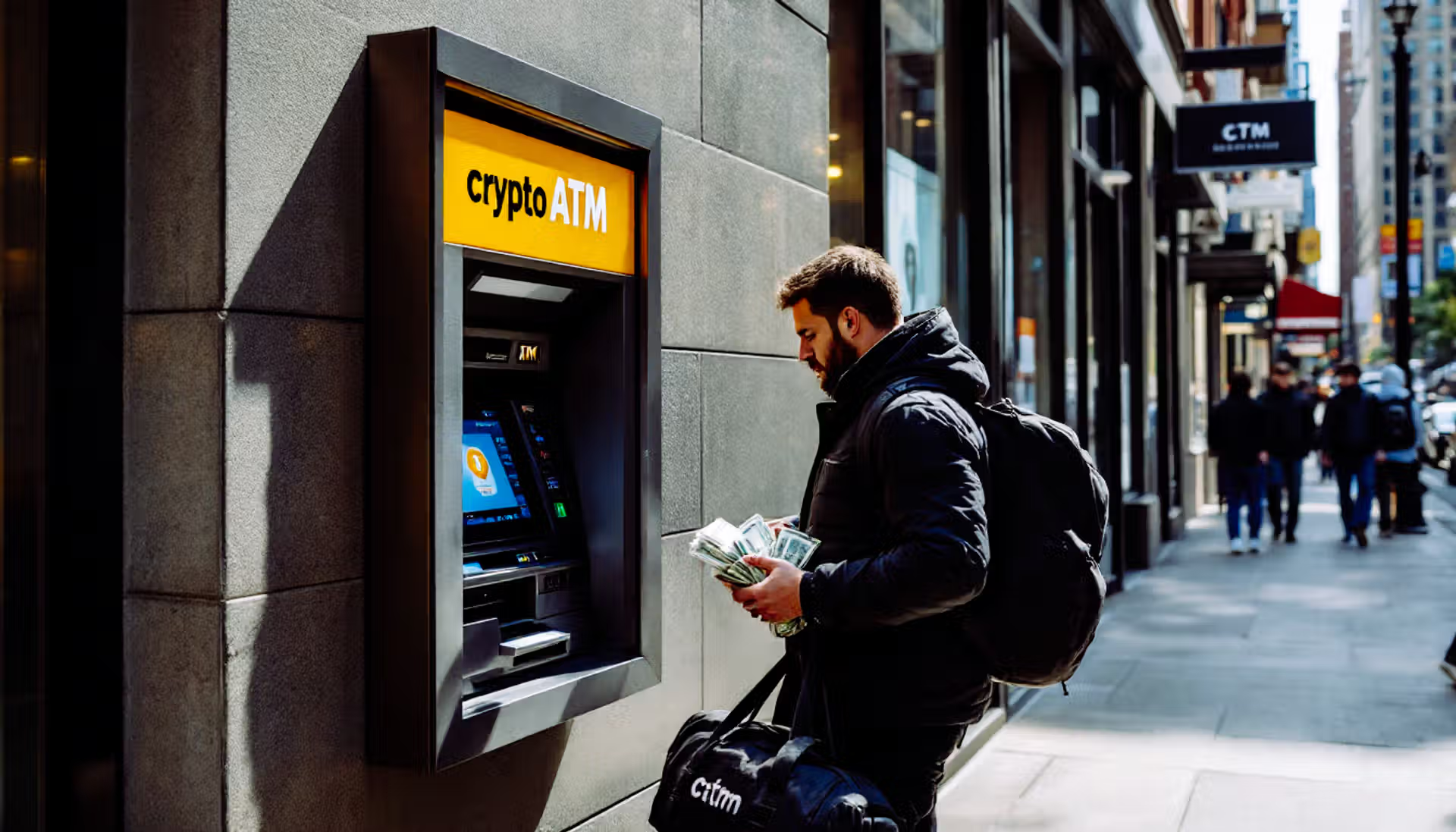
A federal indictment has unraveled a complex money laundering conspiracy that relied on cryptocurrency ATMs, cash deposits and rapid digital asset transfers to move illicit proceeds across borders. The case centers on Firas Isa and his company, Chicago-based Virtual Assets LLC, doing business as Crypto Dispensers, presenting one of the clearest examples of how crypto-enabled laundering can be structured through seemingly legitimate business activity. Prosecutors detail a scheme that blended conventional criminal proceeds with digital asset mechanisms to obscure the origin, ownership and routing of funds. The conduct covered several years and drew on a combination of cash intake, bank account manipulation and wallet-based distributions that were engineered to conceal the trail of drug trafficking and fraud proceeds.
Table of Contents


Crypto laundering case built around structured deposits and covert ATM flows
The indictment describes a laundering setup anchored on a cash to cryptocurrency conversion model. Virtual Assets LLC operated as a cash to digital asset exchange, offering customers the ability to deposit United States currency through either direct wires into company accounts or through a nationwide network of cryptocurrency ATMs controlled by the operators. This structure gave Isa and his co conspirator access to large volumes of physical cash and wired funds that originated from drug trafficking and wire fraud offenses.
The business model itself appeared legitimate on the surface. The company held a registered address in Chicago’s central business district and had previously maintained another office in Orland Park. It marketed automatic teller style machines that allowed individuals to deposit cash and receive cryptocurrency in return. Beneath that surface, the indictment alleges that Isa and the company knowingly received criminal proceeds, converted them into cryptocurrency and moved those assets to crypto wallet addresses controlled by the conspirators.
This placement step was crucial to the overall laundering chain. A large portion of the funds came from individuals participating directly in fraud schemes or from victims who had unknowingly been pressured to deposit money into the machines. Other deposits originated from traffickers distributing controlled substances whose earnings required rapid conversion into a form that could be sent to remote recipients.
The moment deposits arrived at the ATMs or through the wired channels, Isa and his associates allegedly processed immediate conversions into cryptocurrency. The funds were then routed to wallets that prosecutors say were used to disguise ownership and reduce the visibility of the illicit movement. That layering through digital assets marked a pivotal stage of the conspiracy, allowing criminal proceeds to move away from the original payer and into a series of blockchain based routes where attribution becomes more complicated.
Detailed laundering actions alleged against the operators of the ATM network
The indictment goes beyond a general accusation and outlines the specific actions that transformed the operation into a laundering engine. It states that Isa and the co conspirator acted as founders and high ranking officers of the business. They represented themselves as the leadership team when interacting with financial institutions and described their roles as chief executive officer and chief compliance officer. This position gave them the authority to open and manage bank accounts that received fraud proceeds before they were converted to cryptocurrency.
The charging document explains that at various points Isa and his co conspirator opened, caused to be opened or attempted to open financial accounts that would function as repositories for fraud based wires. The operators allegedly knew that those funds did not originate from lawful activity. Once the funds entered company controlled accounts, the operators facilitated the conversion to cryptocurrency and then transmitted the digital assets to wallet addresses selected to conceal who actually benefited from the transactions.
The rotation of funds through crypto ATM machines played an essential role in the concealment strategy. Prosecutors describe scenarios where co conspirators or victims of scams deposited cash into Crypto Dispensers machines. The machines served as a gateway to move funds into the company’s control without requiring a direct banking relationship with the depositor. This placement technique allowed the conspirators to aggregate criminal proceeds from unrelated sources into a single business channel.
After aggregation, Isa and his partner allegedly directed those funds into cryptocurrency purchases. The conversion step generated an asset class capable of fast cross border movement without reliance on traditional correspondent banking routes. Once in digital form, the operators executed transfers to wallets unlinked to depositor identities. The flow of currencies from cash to crypto and then to external wallets created a structure intended to frustrate traditional investigative techniques.
The indictment includes a valuation component, stating that the total amount involved exceeded ten million dollars. That figure reflects the scale of criminal proceeds and provides context to the complexity of the laundering system. The use of cryptocurrency ATMs, bank accounts, wires and wallet distributions reveals a layered scheme designed to insulate proceeds from detection at multiple stages.
Case implications shaped by the indictment and laundering patterns
The legal basis for the charges lies within Title 18 United States Code Section 1956(h), which addresses conspiracy to launder money. The conspiracy allegation indicates that the operators agreed to engage in financial transactions involving proceeds of specified unlawful activities, knowing the transactions were designed to hide the nature and control of those proceeds. The underlying offenses referenced include narcotics distribution and wire fraud.
The filing also outlines a forfeiture request involving any property linked to the laundering offenses. Under Title 18 United States Code Section 982(a)(1), authorities seek forfeiture of property involved in the offenses or traceable to the criminal activity. This includes the possibility of a personal money judgment and the use of substitute assets if the original property cannot be located. Such an approach reflects the standard application of federal forfeiture laws in cases where criminal proceeds have been converted into digital assets or commingled across multiple accounts.
From a financial crime analysis standpoint, the case highlights how individuals running a virtual asset service provider can exploit their operational footprint to facilitate large scale laundering. A crypto ATM network provides numerous intake points across the country, giving launderers access to cash from diverse criminal sources. The lack of direct transactional ties between depositor and company personnel can complicate early detection when the operator deliberately refrains from implementing adequate customer monitoring.
The rapid conversion of cash deposits into cryptocurrency adds another layer of complexity. Digital assets can be moved within minutes to wallets that lack identifiable ownership. The indictment indicates that the operators intentionally used wallet transfers to distance the funds from their origin and obscure the connection to drug proceeds or fraud schemes. Such activity mirrors patterns observed in other laundering investigations where crypto is used to create a layered funnel through which illicit money passes before reaching its intended recipient.
The mixture of cash deposits, corporate bank accounts, crypto ATMs and wallet transfers demonstrates a sophisticated structure rather than a single channel laundering scheme. Individuals involved in the case allegedly created a multi step route that allowed different types of criminal proceeds to enter through various points and exit through digital asset conduits. That level of design presents a challenge for financial institutions attempting to manage exposure when working with businesses offering cash to crypto conversions.
Compliance Risks Within Cash to Crypto Laundering Models
For compliance teams and AML professionals, the case serves as an example of how operators can misuse the regulatory gaps around crypto ATM networks. Many financial institutions treat these businesses as high risk due to the combination of cash intensity and digital asset conversion. The indictment reinforces the importance of transaction monitoring that identifies patterns of structured deposits, immediate conversions and rapid transfers to unrelated wallet addresses. It also illustrates why banks must conduct enhanced due diligence when onboarding or servicing companies operating crypto ATMs or other cash based virtual asset services.
The operational vulnerabilities shown in this case align with known risk indicators in financial crime assessments. These include substantial cash deposits from unknown individuals, volume inconsistent with stated business purpose, use of multiple bank accounts for collecting wires tied to fraudulent schemes and frequent conversion to cryptocurrency followed by outbound transfers. Each of these indicators plays a role in mapping how illicit funds travel through the system.
The indictment does not specify destination jurisdictions for the transferred cryptocurrency, but the overall structure of the transfers suggests that funds moved into areas where tracing becomes more challenging. The use of wallet addresses controlled by conspirators rather than customers highlights that the operators allegedly maintained significant control over the layering stage. That direct involvement intensifies the legal exposure because it demonstrates intent to manipulate financial systems to disguise origins of criminal proceeds.
This case signals that regulators and enforcement bodies continue to scrutinize crypto ATM networks and cash to crypto service providers. The multi year timeline of the alleged conduct from 2018 through 2025 shows how a single operator can sustain a laundering infrastructure over extended periods without immediate detection. The scale of deposits, the diversity of sources and the integration of bank account openings indicate a coordinated attempt to construct a laundering mechanism built into the business structure of a virtual asset service provider.
Compliance officers observing cases like this can derive meaningful insights into how controls should be enhanced. Cash transaction reporting protocols, customer onboarding procedures, machine location assessments, wallet monitoring analytics and suspicious activity escalation frameworks must be calibrated to address the risk profile of cash to crypto services. When operators knowingly redirect criminal proceeds through automated kiosks and digital assets, it becomes evident that oversight gaps have allowed laundering to progress unchecked.
Wider meaning of the case and lessons for AML professionals
The case of Firas Isa and Virtual Assets LLC illustrates how laundering can integrate physical and digital money movements through a business model that appears legitimate. The ATM network provided the intake points, the bank accounts maintained the staging areas, the crypto conversions allowed rapid layering and the wallet transfers dispersed the proceeds beyond immediate reach. This coordinated use of financial infrastructure allowed the conspirators to move more than ten million dollars derived from drug trafficking and wire fraud.
The indictment underscores the need for close examination of any business offering cash to cryptocurrency conversion. Financial institutions servicing such entities must evaluate the inherent risks, perform continuous monitoring and ensure that customers do not use corporate structures to obscure illicit movement of funds.
AML professionals can use this case as a reference when building or refining controls. Cash based crypto services require robust customer identification procedures, source of funds checks, automated monitoring of deposit patterns and analysis of crypto wallet behaviors.
The multi year span of activity demonstrates that without sufficient oversight, operators can sustain laundering operations that mix legitimate transactions with criminal proceeds. The blending of funds complicates detection and increases the likelihood of integration into the financial system.
The case therefore acts as a reminder that illicit finance can adapt quickly to technological interfaces. Operators who understand the mechanics of crypto ATMs, blockchain routing and financial account management can structure systems that distort the visibility of transactions. By strengthening risk assessments, improving transaction monitoring and applying rigorous due diligence to high risk business models, institutions can reduce exposure to similar schemes.
Related Links
- U.S. Department of Justice Criminal Division
- U.S. Department of the Treasury Financial Crimes Enforcement Network
- Federal Bureau of Investigation Financial Crimes Information
- U.S. Treasury Office of Foreign Assets Control
- U.S. Secret Service Cyber Investigations
Other FinCrime Central Articles About Crypto ATMs and Money Laundering
- AUSTRAC Fines Cryptolink as Crypto ATMs Emerge as Laundering Hubs
- Coordinated Casino ATM Fraud in Western Canada Cost Over One Million CAD
- UK Crypto ATM Operator Jailed for 4 Years: The First Prosecution of Its Kind
Source: US DOJ
Some of FinCrime Central’s articles may have been enriched or edited with the help of AI tools. It may contain unintentional errors.
Want to promote your brand, or need some help selecting the right solution or the right advisory firm? Email us at info@fincrimecentral.com; we probably have the right contact for you.