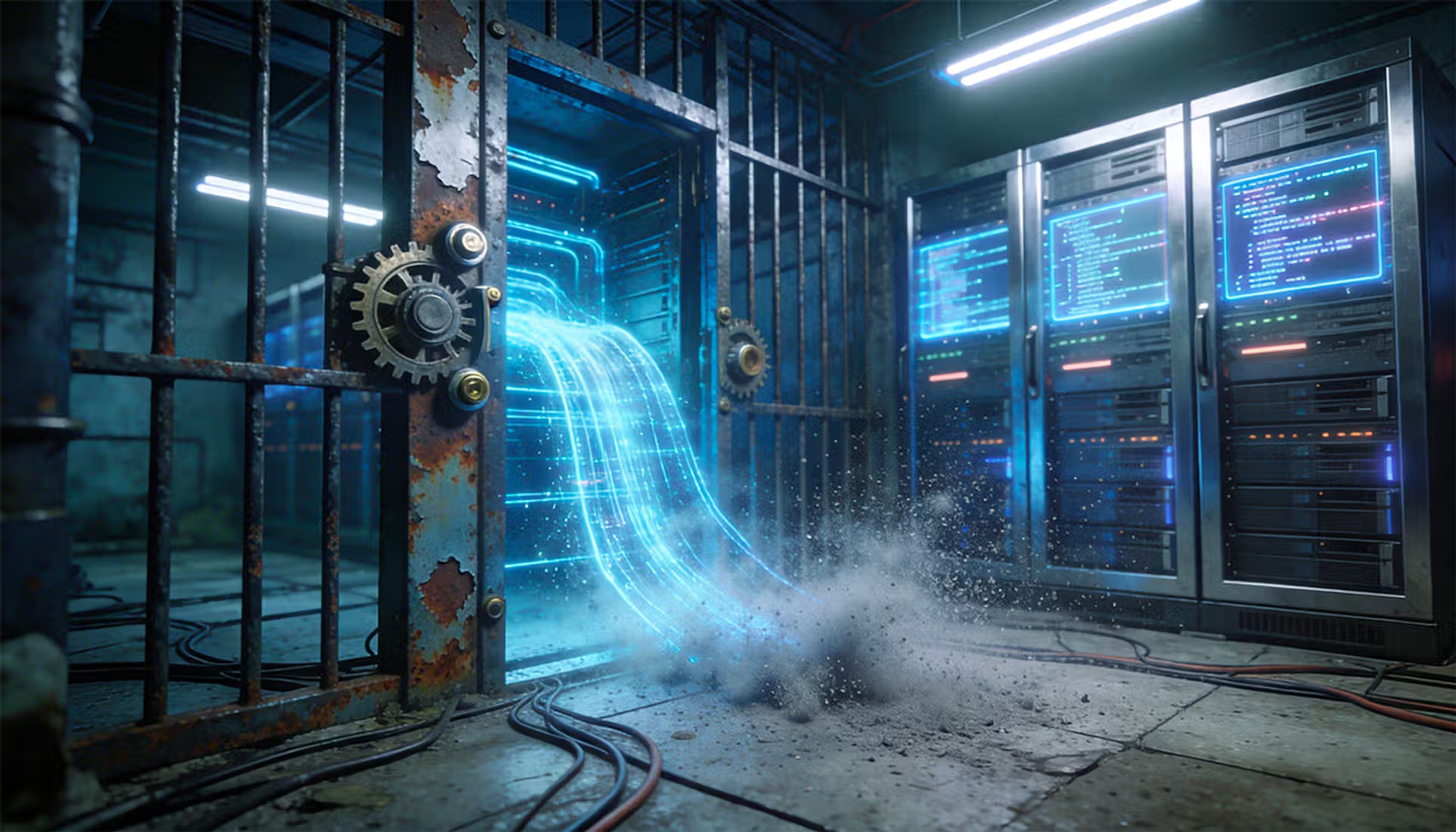
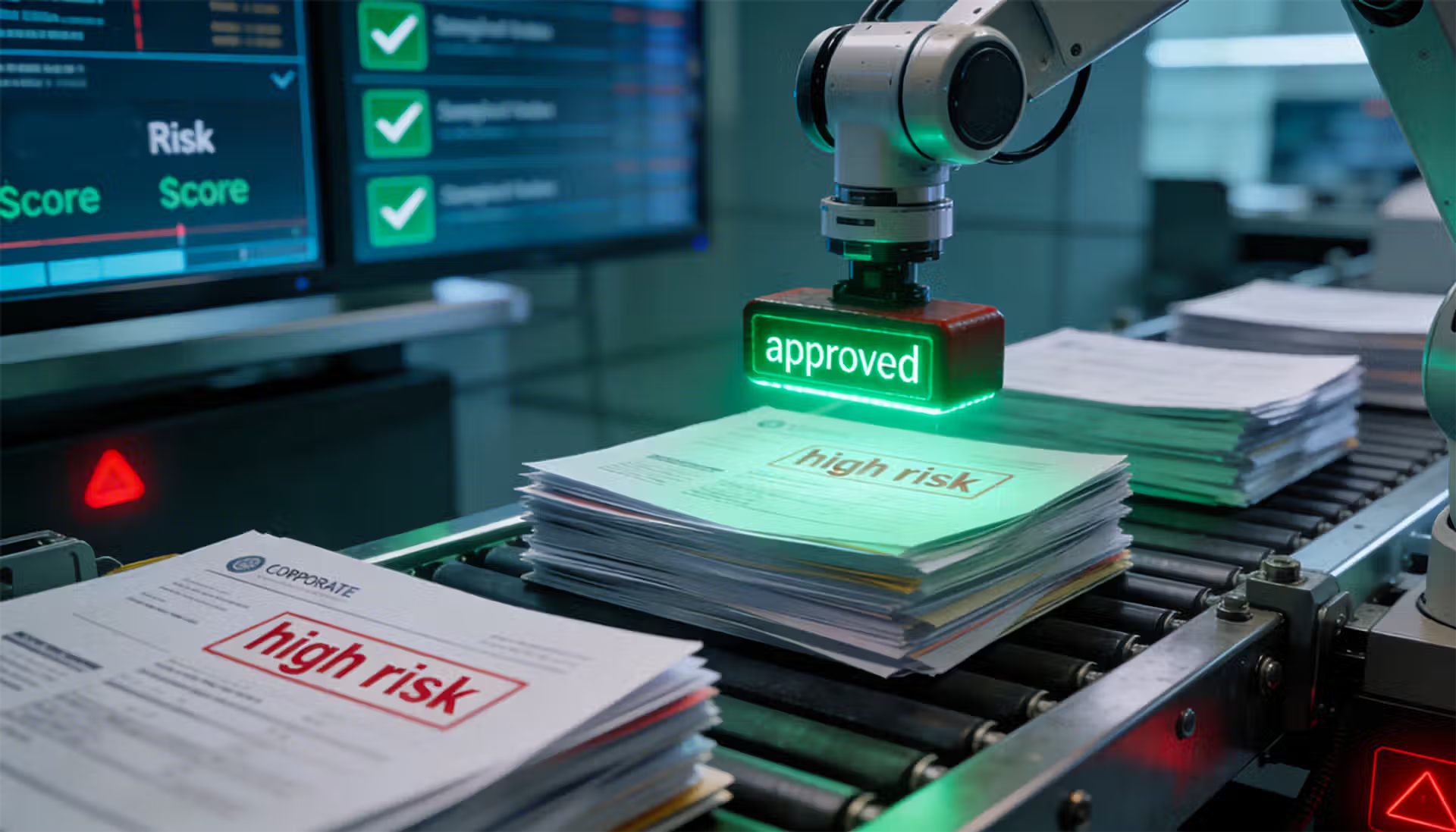
Biometric technologies have become central to modern identity verification and security. From unlocking smartphones with fingerprints to verifying identities at border controls, biometric systems are widely adopted for their convenience and security. However, as these technologies grow more sophisticated, so too do the methods criminals use to exploit them. A major concern in biometric security is the vulnerability to presentation attacks—malicious attempts to bypass these systems by presenting false or altered biometric data.
This article explores the various biometric vulnerabilities associated with these attacks, discusses how they compromise security, and suggests ways to mitigate these risks, especially in high-stakes environments such as law enforcement and border control.
Table of Contents
Biometric Vulnerabilities and Their Impact
Biometric systems rely on the uniqueness of physical or behavioral traits—such as fingerprints, facial features, or voice patterns—to authenticate identity. However, these systems are not foolproof. The most significant vulnerabilities arise from the possibility of these biometric identifiers being copied or manipulated. Criminals can create fake biometric data or alter existing data to gain unauthorized access, evade detection, or impersonate someone else.
The Rise of Presentation Attacks
The most common way criminals exploit biometric systems is through presentation attacks (PA). These attacks involve presenting artificial or altered biometric samples to deceive biometric capture devices, such as fingerprint scanners, facial recognition cameras, or voice recognition systems.
These attacks can be divided into two categories:
- Impersonation Attacks: In this type of attack, criminals attempt to impersonate a legitimate user by presenting falsified biometric data. For instance, a criminal might use a fake fingerprint created from a mold or a silicone mask of someone’s face to gain access to a restricted area.
- Evasion Attacks: Evasion attacks aim to prevent the system from recognizing the attacker’s biometric data. This could involve distorting or altering an individual’s own biometric characteristics to bypass the system, such as damaging fingerprints to make them unrecognizable.
These vulnerabilities not only jeopardize the integrity of biometric systems but also expose individuals and institutions to significant security risks. The adoption of biometric technologies in critical areas such as law enforcement, banking, and national security requires an urgent focus on mitigating these vulnerabilities.
Types of Presentation Attacks
Various presentation attacks target different types of biometric systems. Let’s examine the key vulnerabilities in commonly used biometric recognition methods.
Fingerprint Recognition Attacks
Fingerprint recognition is one of the most widely used biometric methods. However, it is highly vulnerable to spoofing—the act of creating a fake fingerprint to bypass the system. Criminals may use various materials, such as silicone, latex, or glue, to create lifelike replicas of fingerprints. These replica prints are then presented to biometric scanners to gain unauthorized access.
Moreover, altered fingerprints pose another significant challenge. An individual may deliberately damage or distort their fingerprints to evade recognition. Common methods include using sharp objects, acids, or even surgical procedures to modify the ridge patterns on fingers.
Facial Recognition Attacks
Facial recognition systems are increasingly being used in security applications such as airport screenings and law enforcement. Unfortunately, these systems are vulnerable to several types of presentation attacks, including:
- Printed Face Images: A simple photo or print of a person’s face can deceive less sophisticated facial recognition systems.
- Silicone Masks: Criminals may use customized masks to simulate someone else’s face.
- Deepfake Technology: More advanced attacks use deepfake videos to impersonate an individual’s face in real-time, which poses a significant threat to facial recognition systems.
Facial recognition attacks are particularly concerning in public spaces, where individuals’ biometric data may be captured without their knowledge or consent.
Iris Recognition Attacks
While iris recognition is considered one of the most secure biometric methods, it is still susceptible to certain types of attacks. Criminals may use printed images of irises or artificial eyeballs to trick iris scanners. Another common attack method involves using contact lenses to alter the appearance of the iris, making it difficult for the system to detect and authenticate the individual accurately.
Voice Recognition Attacks
Voice biometrics, often used for phone-based authentication and digital assistants, is another area vulnerable to presentation attacks. While human listeners may find it difficult to detect a voice impersonation, biometric systems can be tricked more easily. Criminals can use voice deepfakes—computer-generated voices that mimic a person’s speech—to bypass voice recognition systems. Additionally, replay attacks, where recorded voices are played back to the system, can also deceive the technology.
Biometric Security: Protection Against Presentation Attacks
To mitigate the risks associated with biometric vulnerabilities, it is essential to implement robust presentation attack detection (PAD) systems. These systems are designed to identify and prevent fraudulent attempts to bypass biometric recognition systems.
Hardware Solutions
One of the most effective ways to combat presentation attacks is by using hardware-based solutions. These may include additional sensors that detect liveness, such as measuring pulse, blood flow, or skin temperature. These sensors help confirm that the biometric data being presented comes from a living person, rather than a synthetic or altered object.
Software Solutions
In addition to hardware, software solutions such as machine learning algorithms are crucial for detecting presentation attacks. These algorithms analyze biometric data for irregularities and signs of manipulation, including texture analysis, depth perception, and motion detection in the case of facial recognition.
Multi-Modal Biometric Systems
Another effective strategy for preventing presentation attacks is the use of multi-modal biometric systems, which require the use of multiple biometric traits for authentication. For example, combining fingerprint recognition with facial or voice recognition significantly increases the difficulty of bypassing the system.
Conclusion: Strengthening Biometric Security
As biometric technologies continue to evolve, so too must our understanding of their vulnerabilities. Presentation attacks pose a significant threat to the effectiveness of biometric systems, but they can be mitigated with the right combination of hardware, software, and procedural safeguards. Law enforcement agencies, financial institutions, and organizations that rely on biometric data must remain vigilant and implement comprehensive security measures to stay ahead of potential attackers.
The future of biometric security lies in an integrated approach that includes advanced evasion detection, collaboration across sectors, and a strong commitment to ethical use and data protection. By staying informed about the latest threats and continually improving detection and mitigation strategies, we can ensure that biometric technologies remain secure and reliable.
Related Links
- ISO/IEC 30107-1:2023 Framework for Biometric Presentation Attack Detection
- Advancements in Biometric Authentication
- How Deepfakes Are Evolving in Biometric Security
- Biometric Security for Border Control: Challenges and Solutions
More FinCrime Central News About Identity Verification
- How AI Can Help Unmasking UBO Networks
- The Booming Identity Verification Market: Trends and Innovations
- UK Sets Timeline for Stricter Corporate IDV and AML Controls in 2026
Source: Europol