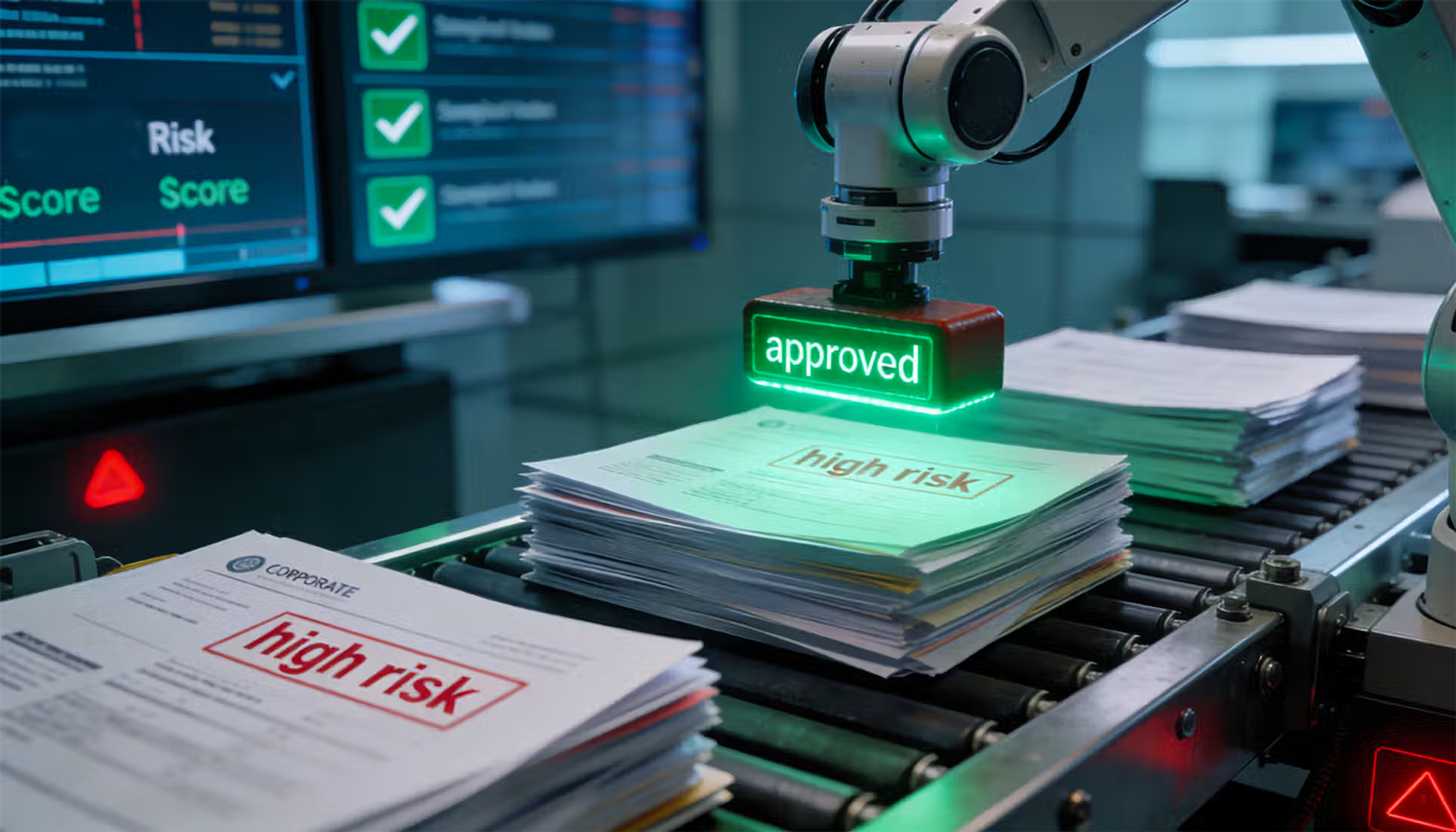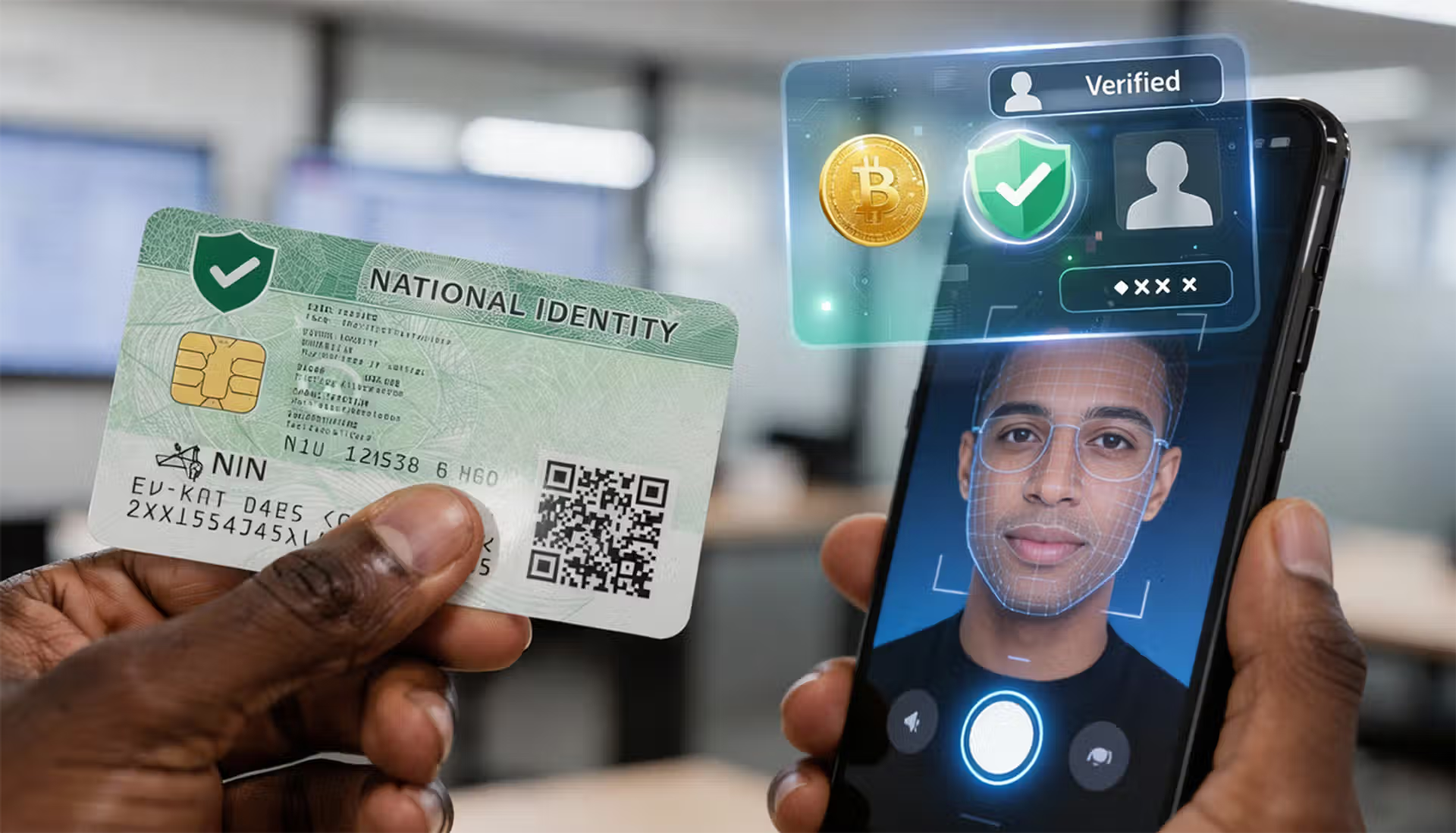
The Nigerian government has initiated a monumental shift in financial oversight by integrating national identification numbers into digital asset ecosystems to eliminate the anonymity that previously shielded illicit actors. This aggressive enforcement strategy coincides with the implementation of the Nigeria Tax Administration Act 2025, which mandates that every virtual asset transaction be linked to a verified physical identity. By aligning domestic protocols with the global crypto asset reporting framework, the state aims to secure the financial perimeter against the flow of criminal proceeds. The move follows the recent removal of the nation from the international grey list, reflecting a renewed commitment to rigorous anti-money laundering standards. These measures ensure that every digital transaction leaves a traceable footprint, effectively linking virtual wealth to verified physical identities through a centralized database.
Table of Contents


Nigerian Crypto Anti-Money Laundering Framework
The implementation of the Money Laundering Prevention and Prohibition Act has fundamentally altered the operational landscape for virtual asset service providers within the region. These entities must now maintain a comprehensive audit trail for every transaction, ensuring that no account remains detached from a verified human or corporate entity. Authorities utilize the national identification number as a mandatory anchor for all digital wallets, a move that effectively dismantles the pseudonymity typically associated with blockchain technology. This structural change prevents the use of fictitious names and shell accounts, which were historically utilized to obfuscate the origin of illicit funds during the layering phase of laundering. Furthermore, the Securities and Exchange Commission now requires all platforms to deploy real-time monitoring tools capable of identifying complex laundering typologies. These systems are designed to flag unusual velocity or geographic inconsistencies that suggest the integration of criminal assets into the legitimate economy.
Enforcement Power of the Investment and Securities Act 2025
With the passage of the Investment and Securities Act of 2025, digital assets have gained formal recognition as securities, granting regulators broad powers to intervene in suspicious market activity. This legislation empowers the Nigerian financial intelligence unit to demand immediate access to the internal ledgers of any licensed exchange without prior notice. Under these rules, failing to report a suspicious transaction can result in the permanent revocation of operating licenses and the blacklisting of senior management. The law also mandates the appointment of a dedicated compliance officer for every registered firm, who holds personal liability for ensuring that customer due diligence is performed at every level. This focus on individual accountability is intended to deter internal negligence and ensure that high-risk customers, such as politically exposed persons, undergo enhanced scrutiny. By centralizing oversight under the Securities and Exchange Commission, the government has created a unified front against financial crime in the digital age.
Global Cooperation and the Travel Rule Standard
The Nigerian state has moved to adopt the Financial Action Task Force travel rule, which requires the exchange of sender and recipient information during every cross-border crypto transfer. This international standard ensures that funds moving between different jurisdictions remain visible to global regulators, preventing the use of international transfers to hide criminal wealth. Nigeria now participates in the automatic exchange of information, a process that allows the state to receive data on the offshore holdings of domestic residents from over seventy other nations. This collaborative approach is vital for dismantling transnational criminal networks that exploit the decentralized nature of blockchain technology to move funds. Local banks are also permitted to service crypto firms only if those firms demonstrate full compliance with these rigorous data-sharing requirements. This interconnectivity between traditional finance and the digital sector creates a multi-layered defense against money laundering that spans across physical and digital borders.
Strengthening Financial Integrity for Future Security
The transition toward a fully transparent digital economy marks a significant turning point in the effort to stabilize the domestic economy and attract legitimate investment. Sustained reforms in beneficial ownership transparency have made it increasingly difficult for criminals to hide behind complex corporate structures or anonymous digital tokens. The integration of the bank verification number with digital asset accounts provides an additional layer of verification that prevents identity fraud within the financial system. Authorities continue to upgrade their technological capabilities, utilizing artificial intelligence to parse through vast amounts of on-chain data to identify hidden clusters of illicit activity. These advancements signify that the era of unregulated digital wealth has ended, replaced by a system where transparency is the primary requirement for participation. As the regulatory environment continues to mature, the focus remains on ensuring that the digital economy contributes to national growth without providing a sanctuary for financial crime.
Key Points
- All cryptocurrency service providers must now register with the Securities and Exchange Commission to operate legally.
- National identification numbers are mandatory for every digital asset account to prevent anonymous fund transfers.
- Financial institutions are required to report all transactions above specific thresholds to the Nigerian Financial Intelligence Unit.
- Enhanced due diligence is now strictly applied to all high-risk entities, including politically exposed persons and foreign corporations.
Related Links
- FATF Guidance for a Risk-Based Approach to Virtual Assets and VASPs
- Central Bank of Nigeria Anti-Money Laundering Regulations
- Nigerian Financial Intelligence Unit Compliance Guidelines
- OECD Crypto-Asset Reporting Framework Official Standards
- Securities and Exchange Commission Nigeria Digital Asset Rules
Other FinCrime Central Articles About Nigeria
- Agent Banking Under Watch: Nigeria’s New Rules to Block Money Laundering Networks
- Nigeria’s FIU and the British Government Drive First PPP to Tackle Financial Crime
- FATF Diversity Initiative Gains Ground as Nigeria Joins Decision Process
Source: Coin Edition, by Izabela Anna
Some of FinCrime Central’s articles may have been enriched or edited with the help of AI tools. It may contain unintentional errors.
Want to promote your brand, or need some help selecting the right solution or the right advisory firm? Email us at info@fincrimecentral.com; we probably have the right contact for you.