An exclusive article by Fred Kahn
Tehran experienced a significant shift in digital asset movement following the military strikes that occurred on February 28, 2026. Financial monitoring agencies and on-chain data providers tracked rapid transfers away from domestic platforms during the height of the kinetic escalation. These movements suggest a complex intersection of private wealth preservation and potential state level capital flight. Authorities are now examining these patterns to determine how such volatility facilitates the circumvention of international banking restrictions.
Table of Contents


Crypto Anti Money Laundering Vulnerabilities in Conflict Zones
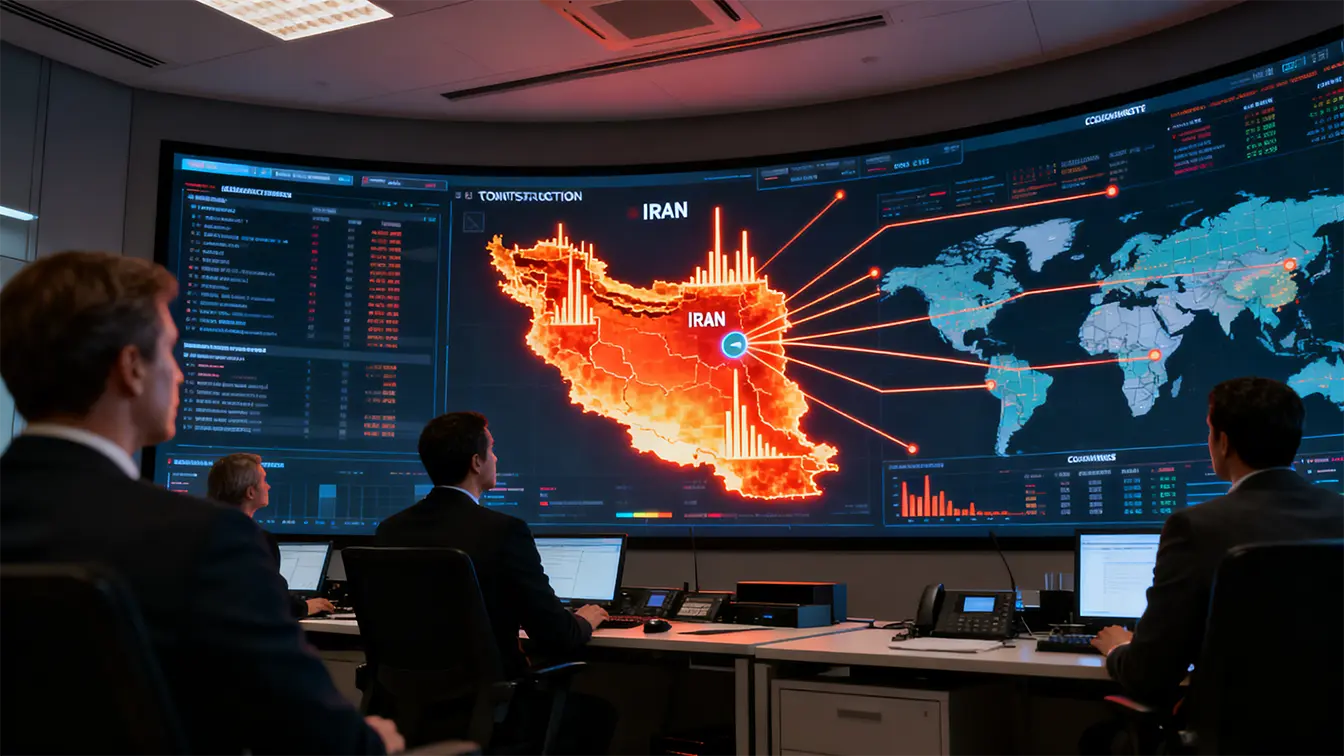
The sudden migration of digital capital from Iranian service providers like Nobitex highlights a persistent challenge for global financial integrity. When military strikes began on February 28, withdrawal volumes surged by several hundred percent within minutes of the initial reports. This immediate reaction demonstrates the high velocity of digital assets compared to traditional fiat currencies, which remain heavily restricted by the Central Bank of Iran. From a regulatory perspective, these spikes represent more than just retail panic or individual risk hedging. They indicate a sophisticated use of non-custodial wallets and intermediary decentralized finance protocols to move value across borders without the oversight of traditional gatekeepers. Anti-money laundering professionals note that such periods of chaos provide the perfect cover for moving illicitly obtained funds or state-controlled resources that must be shielded from potential seizure or further sanctions. The lack of transparency in the Iranian internal exchange market makes it difficult to distinguish between a citizen protecting their life savings and a sanctioned entity shifting wealth to avoid a liquidity freeze. Monitoring firms have pointed out that hourly outflows reached extreme levels during peak periods of the escalation. This level of activity requires significant liquidity and technical infrastructure, which suggests that organized elements were prepared for such a contingency. The ability to move high volumes during a national security crisis underscores the necessity for more robust blockchain forensics and international cooperation to prevent sanctioned jurisdictions from using digital assets as a permanent back door to the global economy. Furthermore, the visible figures represent only the most detectable layer of movement, as decentralized protocols often obscure the total volume of value exiting the jurisdiction.



Geopolitical Instability as a Catalyst for Capital Flight
The relationship between physical conflict and virtual asset movement is becoming more defined as geopolitical tensions rise in the Middle East. Data indicates that the proximity of the strikes to major technological hubs in Tehran triggered automated and manual transfer protocols designed to evacuate the capital from local custody. This behavior is a classic hallmark of capital flight, which often precedes or accompanies major currency devaluations in sanctioned nations. Because the Iranian rial has faced historic pressure, crypto assets serve as a primary vehicle for value preservation. However, the same mechanisms that allow a civilian to hold stablecoins also allow shadow banking networks to operate with relative impunity. Financial intelligence units are particularly concerned with the destination of these outflows. Large portions of the capital moved into private wallets or onto international exchanges that may lack rigorous identity verification standards. This creates a layered trail that obscures the ultimate beneficial ownership of the funds. The speed of the percentage increase in activity suggests that many users had already established the necessary channels to exit the local ecosystem at a moment’s notice. This level of readiness points toward a mature environment of sanctions evasion where digital assets are integrated into the daily survival and operational strategies of both the public and the state. By analyzing the timing of these transactions against the timeline of the military strikes, investigators can see a direct correlation between kinetic events and the digital movement of wealth. This correlation is a vital piece of evidence for regulators seeking to update the standards for high-risk jurisdictions. As the situation evolves, the total value of these assets is expected to rise as more delayed on-chain data becomes available for analysis by global agencies.
Structural Risks within Sanctioned Exchange Ecosystems
Local exchanges operating within Iran occupy a unique and precarious position in the global financial landscape. While they provide essential services to a population cut off from the SWIFT network, they also serve as the primary entry and exit points for value entering a heavily sanctioned economy. The massive withdrawals seen during the recent escalation expose the structural fragility and the high stakes of these platforms. When substantial wealth leaves an exchange like Nobitex in a matter of hours, it puts immense pressure on the platform to maintain liquidity. Furthermore, the anonymity afforded by certain blockchain technologies allows these transfers to bypass the typical suspicious activity reporting that would occur in a regulated European or American bank. The involvement of state-linked capital is a major point of contention for international observers. Given the centralized nature of the Iranian economy, it is highly probable that a portion of the transferred assets belongs to entities currently under individual or sectoral sanctions. These entities use the cover of general market volatility to blend their transactions with those of legitimate retail users. This blending technique is a standard money laundering practice known as structuring or layering, intended to confuse analysts and prevent the flagging of specific high-value targets. The fact that outflows remained high for several days after the initial strikes suggests a sustained effort to de-risk from the local infrastructure. This period of sustained movement provides a wealth of data for forensic accountants to map the connections between seemingly unrelated wallets. Understanding these connections is essential for the Financial Action Task Force and other bodies as they refine their lists of non-cooperative jurisdictions.
Future Regulatory Implications for Digital Asset Monitoring
The events in Tehran serve as a definitive case study for the future of financial surveillance in conflict zones. The ability of blockchain analysis firms to report on these movements in near real time shows that the transparency of the ledger is a powerful tool for enforcement. However, it also highlights the limitations of current policy when dealing with entities that explicitly reject international norms. Moving forward, the focus will likely shift toward the points where these funds attempt to re-enter the regulated global market. If the transferred capital remains in private wallets, it is effectively sidelined, but the moment it touches a regulated off-ramp, it becomes a liability for the receiving institution. Banks and exchanges worldwide must now treat spikes in activity from specific geographic regions as a major red flag for sanctions evasion. The Iranian example proves that geopolitical shocks are no longer contained within physical borders or local currencies. They manifest instantly on the blockchain, requiring a response that is just as fast and technologically capable. Enhanced due diligence must be applied to any transaction originating from or passing through wallets associated with these recent spikes. This requires a shift from static blacklists to dynamic monitoring systems that account for real-world events and their digital consequences. By treating blockchain data as a form of human intelligence, regulators can better predict and intercept the flow of illicit finance before it can be used to fund further conflict or bypass international law. The lessons learned from the February 2026 strikes will undoubtedly inform the next generation of anti-money laundering protocols and help close the gaps that currently allow sanctioned regimes to operate in the digital shadows. The increasing sophistication of these movements ensures that the battle between launderers and law enforcement will continue to play out across the distributed ledgers of the world.
Key Points
- Blockchain data confirmed a massive surge in withdrawals from Iranian exchanges following military actions on February 28 2026.
- High volumes of capital moved during the escalation period, with significant portions transitioning to non-custodial wallets.
- The timing of the transfers suggests a mix of retail panic and organized capital movement by state-linked entities to avoid asset freezes.
- International regulators are using this on-chain evidence to identify new patterns of sanctions evasion and strengthen digital asset oversight.
Related Links
- FATF Guidance for a Risk-Based Approach to Virtual Assets
- OFAC Sanctions Compliance Guidance for the Virtual Currency Industry
- FinCEN Advisory on Illicit Activity Involving Convertible Virtual Currency
- United Nations Security Council Committee Concerning Iran Sanctions
Other FinCrime Central Articles About Iran Relying on Crypto For Sanctions Evasion
- How a $700 Million Tether Freeze Exposed Iran Sanctions Gaps on Tron
- Iranian Sanctions Evasion Shattered as Israeli hacking group Predatory Sparrow Hits Nobitex
Some of FinCrime Central’s articles may have been enriched or edited with the help of AI tools. It may contain unintentional errors.
Want to promote your brand with us or need some help selecting the right solution or the right advisory firm? Email us at info@fincrimecentral.com; we probably have the right contact for you.