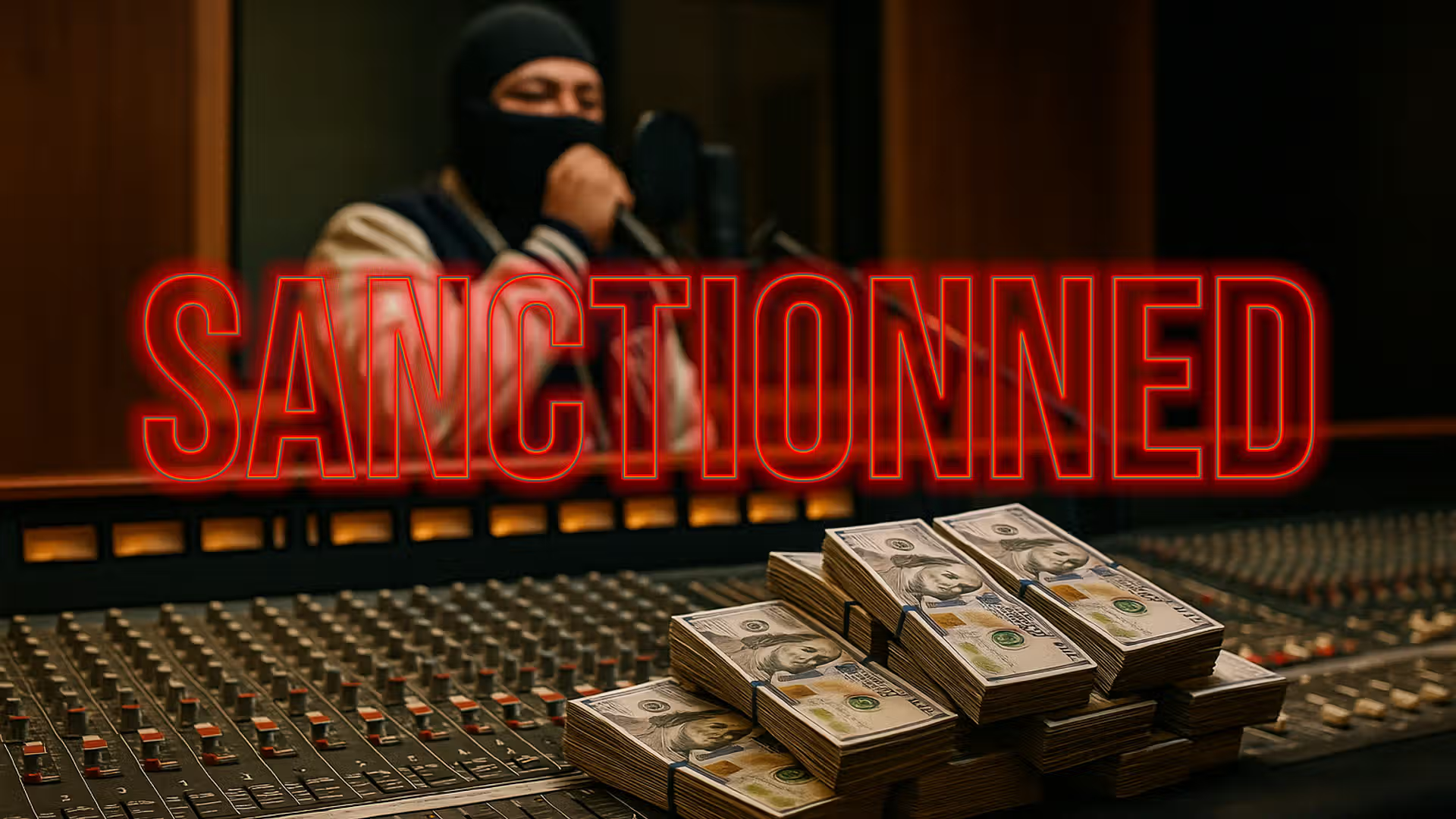
A high-profile crackdown has brought the music industry into the spotlight of global anti-money-laundering enforcement. Mexican rapper Ricardo Hernández Medrano, known professionally as El Makabelico, has been sanctioned by the United States for allegedly channeling large portions of his music revenue to a violent cartel. This case demonstrates how organized crime can exploit cultural platforms for illicit finance, and how AML compliance obligations are expanding well beyond traditional banking and finance.
Table of Contents


El Makabelico money laundering and the cartel connection
Authorities allege that El Makabelico funneled as much as half of his streaming royalties into the operations of a transnational criminal organization linked to drug trafficking, extortion, kidnapping, and weapons smuggling. This group, a direct descendant of a once-dominant cartel, has diversified its revenue streams to include sectors far outside narcotics, such as fuel theft, illegal gambling, and the infiltration of entertainment.
Investigators believe that live performances, brand sponsorships, and music streaming platforms were systematically leveraged to legitimize criminal proceeds. Concerts provided an opportunity for the cartel to inject cash into legitimate ticket sales, blending illicit and lawful earnings in ways that obscured their origin. Merchandise sales, often conducted with minimal oversight, served as an additional layer for integrating illegal funds into the formal economy.
The rapper’s celebrity status created both a protective shield and a promotional platform for the cartel’s activities. By associating with a widely recognized cultural figure, the group not only laundered money but also sought to soften its public image, especially among younger audiences who consumed the artist’s content. The case shows how organized crime can manipulate public influence to normalize its presence in mainstream culture.
Expanding AML compliance to the entertainment sector
Historically, AML compliance frameworks targeted financial institutions, insurance providers, and certain high-value goods markets. However, the rapid evolution of money laundering methods has exposed vulnerabilities in industries once perceived as low risk. The entertainment sector, particularly music, now stands as a significant frontier in AML oversight.
Music industry payment systems are inherently complex. Streaming royalties can pass through multiple intermediaries across several jurisdictions before reaching an artist’s account. This complexity provides fertile ground for layering, the stage of money laundering in which funds are moved through intricate transactions to disguise their criminal origins. Live events and tours generate large amounts of cash, often outside the immediate purview of banking compliance systems, making them attractive to criminal actors.
Streaming platforms face particular challenges. Millions of microtransactions occur daily, and without advanced monitoring systems, illicit activity can blend seamlessly into legitimate traffic. Sanctions screening for all parties receiving payments—artists, managers, and associated companies—is now a necessity. Likewise, concert promoters, ticket vendors, and event sponsors must adopt enhanced due diligence measures, especially for clients with high-risk profiles or connections to jurisdictions with weak AML regimes.
To close these gaps, regulators are calling for entertainment companies to implement compliance controls traditionally used in the financial sector. These include risk-based customer due diligence, continuous sanctions list screening, AI-assisted transaction monitoring, and immediate suspicious activity reporting. The aim is to detect unusual revenue flows, block prohibited transactions, and prevent the misuse of cultural platforms for criminal purposes.
Legal foundations of the sanctions
The sanctions against El Makabelico were enacted under U.S. legal authorities targeting both narcotics trafficking and terrorism financing. One such authority empowers regulators to block property and interests in property of foreign persons engaged in the global illicit drug trade. Another authorizes sanctions against individuals providing material support to designated foreign terrorist organizations. These frameworks, enforced by the Office of Foreign Assets Control (OFAC), allow swift and decisive action even when the primary activities occur outside U.S. borders.
Being placed on the Specially Designated Nationals and Blocked Persons List means El Makabelico is effectively excluded from the legitimate global financial system. All property and assets within U.S. jurisdiction are frozen, and U.S. persons are prohibited from engaging in transactions with him. Furthermore, foreign financial institutions risk secondary sanctions if they knowingly facilitate dealings on his behalf.
The impact extends beyond banking. Sanctioned individuals often lose distribution rights, endorsement deals, and access to digital platforms operating in compliance with U.S. regulations. For a music artist, this can mean the immediate collapse of revenue streams, severe reputational damage, and permanent exclusion from key markets.
Entertainment as a laundering vector for organized crime
Organized crime has long exploited entertainment as a vehicle for money laundering. The sector’s unique characteristics—high volumes of cash, international revenue flows, and diverse income streams—make it particularly vulnerable. Concert tours can act as cash-intensive operations where illicit funds are easily mixed with legitimate ticket and merchandise sales. Streaming platforms can be manipulated to generate artificial plays, converting criminal funds into royalties that appear legitimate on paper.
In El Makabelico’s case, authorities believe the cartel used multiple layers of the music business to move illicit money. Concerts not only produced income but also acted as cover for large cash injections. Streaming revenue, particularly when routed through accounts controlled by cartel associates, provided a steady flow of seemingly lawful payments. Merchandise operations, often involving shell companies, offered yet another pathway for integrating dirty money into the formal economy.
Beyond the financial mechanisms, the association with a popular artist gave the cartel cultural legitimacy. Fans, often unaware of or indifferent to the criminal connections, continued to support the artist, effectively contributing to the group’s resilience. This social dimension makes entertainment-linked money laundering especially dangerous, as it embeds criminal influence within popular culture itself.
Safeguarding the cultural economy through compliance
The El Makabelico case should serve as a wake-up call to entertainment industry stakeholders. AML compliance is no longer an optional consideration—it is a regulatory requirement with global implications. Protecting cultural integrity demands a coordinated approach between industry leaders, regulators, and law enforcement.
Streaming platforms should deploy advanced anomaly detection tools capable of identifying suspicious royalty patterns. Event organizers must verify the source of sponsorship funds and ticket revenues. Record labels should vet not only artists but also their management teams and close associates for sanctions risks. Industry-specific AML guidelines should be developed, reflecting the sector’s unique vulnerabilities while maintaining the balance between creative freedom and financial integrity.
Public figures must also recognize their responsibility in safeguarding their platforms from misuse. The benefits of fame come with scrutiny, and association with criminal networks can dismantle a career overnight. Compliance failures do not just harm the individual—they affect the wider network of collaborators, investors, and consumers.
In the broader picture, maintaining trust in the cultural economy requires persistent vigilance, transparency, and ethical standards. As organized crime continues to innovate, so must AML strategies. The lessons from the El Makabelico sanctions make clear that cultural influence can be a powerful weapon—one that should be wielded for creativity, not criminal enterprise.
Related Links
- U.S. Department of the Treasury – OFAC Sanctions Programs
- Executive Order on Addressing the Global Illicit Drug Trade
- Executive Order on Blocking Property of Persons Who Support Terrorism
- U.S. Specially Designated Nationals and Blocked Persons List
- Financial Crimes Enforcement Network – Suspicious Activity Reporting Guidance
Other FinCrime Central Articles About Cartels and Money Laundering
- OFAC Targets the Sinaloa Cartel’s Money Laundering Operations
- US Designation of Cartels as Terrorist Organizations Increases Risk of Doing Business in Mexico
- The Long-Standing Connection Between Drug Cartels and Terrorist Organizations
Source: ABC
Some of FinCrime Central’s articles may have been enriched or edited with the help of AI tools. It may contain unintentional errors.
Want to promote your brand, or need some help selecting the right solution or the right advisory firm? Email us at info@fincrimecentral.com; we probably have the right contact for you.