Illegal gambling has become a significant concern in Brazil, with online influencers emerging as major players in a rapidly growing illicit market. The country’s police chief in Alagoas, Lucimério Barros Campos, brought attention to the alarming role these influencers play in promoting illegal betting schemes during a parliamentary inquiry. Campos delivered a stark warning to the Parliamentary Inquiry Commission (CPI) on betting about the dangers of this new wave of online fraud. The investigation, dubbed “Operation Game Over,” uncovered a sophisticated network where influencers are being used to facilitate fraudulent gambling activities, scamming the Brazilian public. This has raised questions about the efficacy of current regulations and the need for stronger enforcement against illegal gambling.
Table of Contents
Influencers and the Expansion of Illegal Gambling in Brazil
The use of online influencers in illegal gambling activities has become a disturbing trend, one that was illuminated in the testimony of Lucimério Barros Campos. These influencers are not only promoting illegal gambling websites but are also integral to their operation, acting as intermediaries between gamblers and unregulated betting platforms. Their vast online followings give them access to a wide range of potential victims, often luring individuals into risky financial decisions.
Campos revealed that many of these influencers promote gambling through the widely used Pix payment system, a tool that enables swift financial transactions. This system is highly effective at bypassing the regulatory authorities, making it difficult for Brazil’s gambling regulators to track and control these illicit transactions. Influencers, acting as trusted figures on social media, promote these sites and provide links to apps where individuals can place bets—often without the knowledge of the risks involved.
According to Campos, the real concern arises from the fact that these influencers are not classified as financial institutions. “The influencers act as intermediaries, operating channels where bets can be placed directly, bypassing the financial oversight of regulatory bodies,” he stated. This loophole allows these illegal gambling networks to thrive with minimal interference from the authorities, making it nearly impossible to freeze assets or intercept the illicit transactions.
Furthermore, as more influencers join the illegal gambling scene, the scale of these operations continues to grow. Since the regulated betting market launched on January 1, 2023, it has been estimated that more than BRL 15 million ($2.6 million) in illegal bets have been processed through these black market operations in Alagoas alone. This figure highlights the immense scope of the issue, underscoring the urgent need for intervention.
How the Illegal Gambling Schemes Function
To better understand the operations of these illegal gambling schemes, it’s crucial to break down the process and examine how influencers promote the fraudulent platforms. The process typically begins with influencers being hired by illegal gambling companies. These influencers are then given access to fake accounts on betting apps. These accounts are designed to show large, impressive winnings, creating the illusion of success and encouraging followers to join the gambling platforms.
“The gambler needs to download an app, which is often linked to a fraudulent betting platform. The influencer provides a link that redirects followers to this app. However, the influencer also receives another fake link that allows them to log in and record fake wins. It’s all a scam designed to deceive the audience,” Campos explained. This highly effective scam exploits the trust that followers place in their favorite social media personalities, creating a false sense of security and encouraging them to take risks on unregulated, unsafe platforms.
The fraudulent apps used by these illegal operations allow influencers to appear as though they are winning substantial amounts of money. These fabricated victories are often showcased on live streams or videos, where influencers share their “success” stories to persuade their audiences to join the platform and start gambling. The problem is compounded by the fact that these apps are not subject to any regulation, and the winnings shown are entirely fabricated to lure more participants into gambling.
The scam is designed to prey on individuals seeking an easy way to make money, and it exploits the vast reach of social media. Once people are convinced by the fabricated wins, they are encouraged to deposit money into the betting platform, unaware that they are essentially contributing to the operators of the scam.
Money Laundering Risks and the Impact on Brazil’s Economy
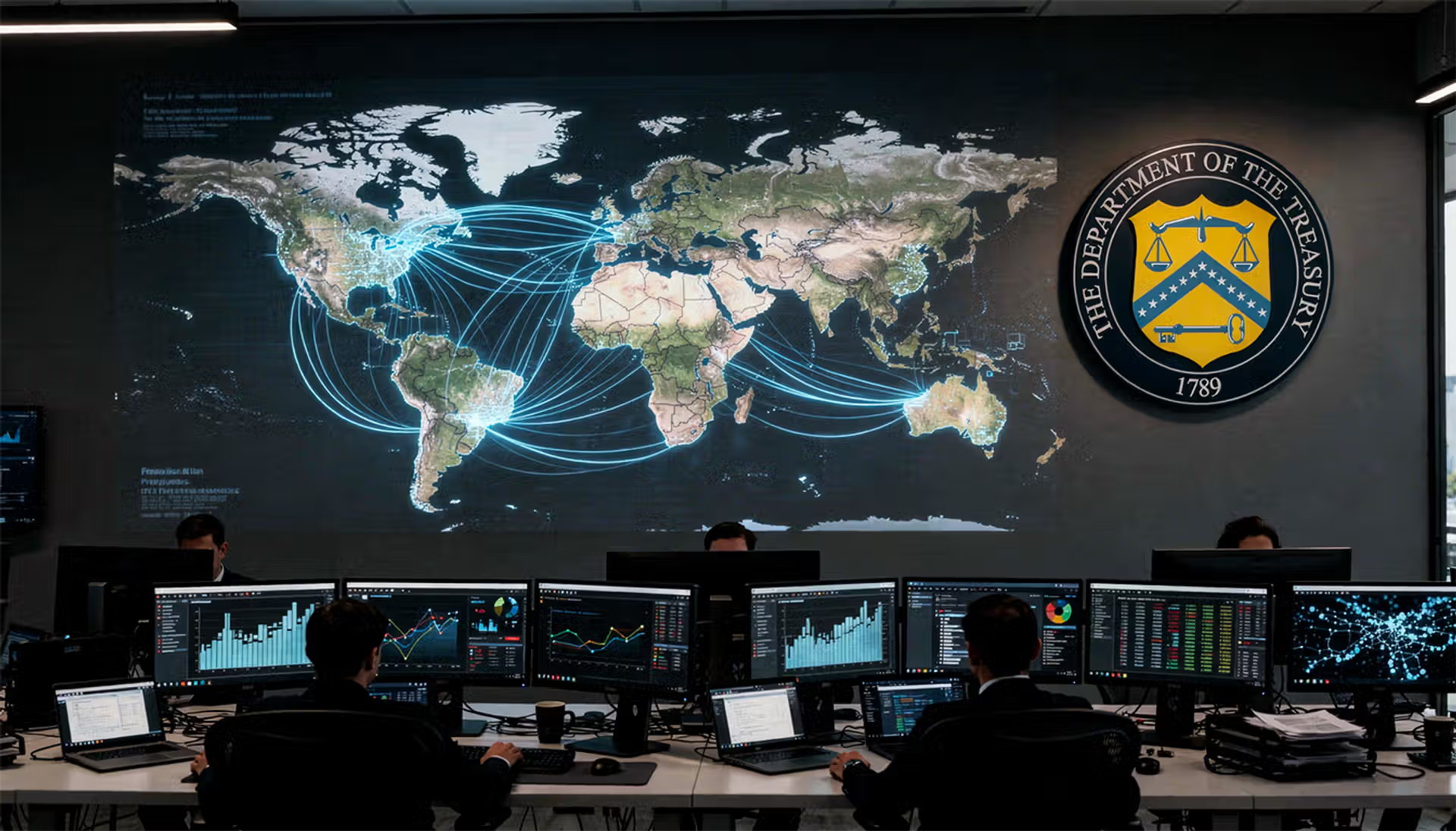
Another major concern surrounding these illegal gambling activities is the associated risk of money laundering. As these illicit operations grow, they pose a significant threat not only to individual financial stability but to the broader Brazilian economy. By operating outside the formal financial system, these black market betting platforms allow money to be moved across borders, often without leaving a trace. This results in the siphoning of money from the local economy, as gamblers’ funds are sent to entities operating outside of Brazil’s financial oversight.
“The money that should be circulating in local economies is being siphoned off and sent directly to these illegal betting networks,” Campos explained. “If the money is being sent to clandestine operators, it doesn’t even stay in Brazil. This means that the country is losing a significant amount of revenue that could otherwise be contributing to local businesses and communities.”
Moreover, the lack of financial oversight makes it difficult for law enforcement to trace the movement of funds or identify money laundering activities. This is particularly concerning in a country like Brazil, where the fight against money laundering and financial crime has been a key focus in recent years. These illegal gambling networks not only undermine the regulatory framework designed to protect the economy but also provide cover for illicit money flows that are difficult to detect and disrupt.
Legislative Action: The Push for Stronger Laws
Recognizing the urgency of the situation, federal deputy Kim Kataguiri has introduced a new bill aimed at criminalizing the advertisement of illegal betting, especially when these promotions target children or other vulnerable individuals. The bill proposes severe penalties for offenders, including up to eight years in prison for those found guilty of promoting or facilitating illegal betting activities. This proposed legislation signals a critical shift in Brazil’s approach to tackling illegal gambling, as lawmakers begin to address the problem at its roots.
The bill also emphasizes the need to protect children and at-risk individuals from falling victim to the manipulative tactics employed by influencers. In many cases, these scams target individuals who are already facing financial challenges, offering them the illusion of easy wealth through gambling. By criminalizing the advertisement of these illegal schemes, the bill aims to curb the spread of illicit gambling activities and protect Brazil’s most vulnerable populations from falling prey to fraud.
Senator Damares Alves, a member of the CPI, expressed her support for the police efforts and praised their determination in tackling these illegal gambling operations. “Congratulations to the officers who had the courage to confront this billion-dollar, dangerous market,” she said. The senator’s comments highlight the growing recognition of the severity of the problem and the need for coordinated action across various levels of government.
Conclusion: The Path Forward for Brazil’s Fight Against Illegal Gambling
The rise of illegal gambling in Brazil, particularly through the use of influencers to promote fraudulent betting platforms, is a serious issue that demands urgent attention. As Campos’ testimony before the CPI made clear, the current regulatory framework is insufficient to address the scale of the problem. The use of unregulated payment systems like Pix and the lack of classification for influencers as financial institutions create significant challenges for law enforcement and regulatory authorities.
To combat this growing issue, Brazil must implement stronger regulations, enhance financial oversight, and close the loopholes that allow illegal gambling networks to thrive. The proposed legislation is an important step toward addressing the problem, but further measures will be needed to ensure that Brazil’s economy and its citizens are protected from the harmful effects of illegal gambling.
Related Links
- Brazil’s fight against illegal gambling – The Guardian
- How illegal gambling is impacting Brazil’s economy – BBC News
- Pix payment system: Risks and concerns – Financial Times
- Money laundering and illegal gambling in Brazil – Reuters
- Brazil’s crackdown on illegal betting schemes – The Rio Times
Other FinCrime Central News About Online Gambling and Social Networks
- Finfluencers Under FCA Scrutiny To Protect Young Investors
- Video Game Money Laundering Should Not Be Underestimated
- TikTok Lawsuit Reveals Shocking Money Laundering Allegations
Source: flexi-news