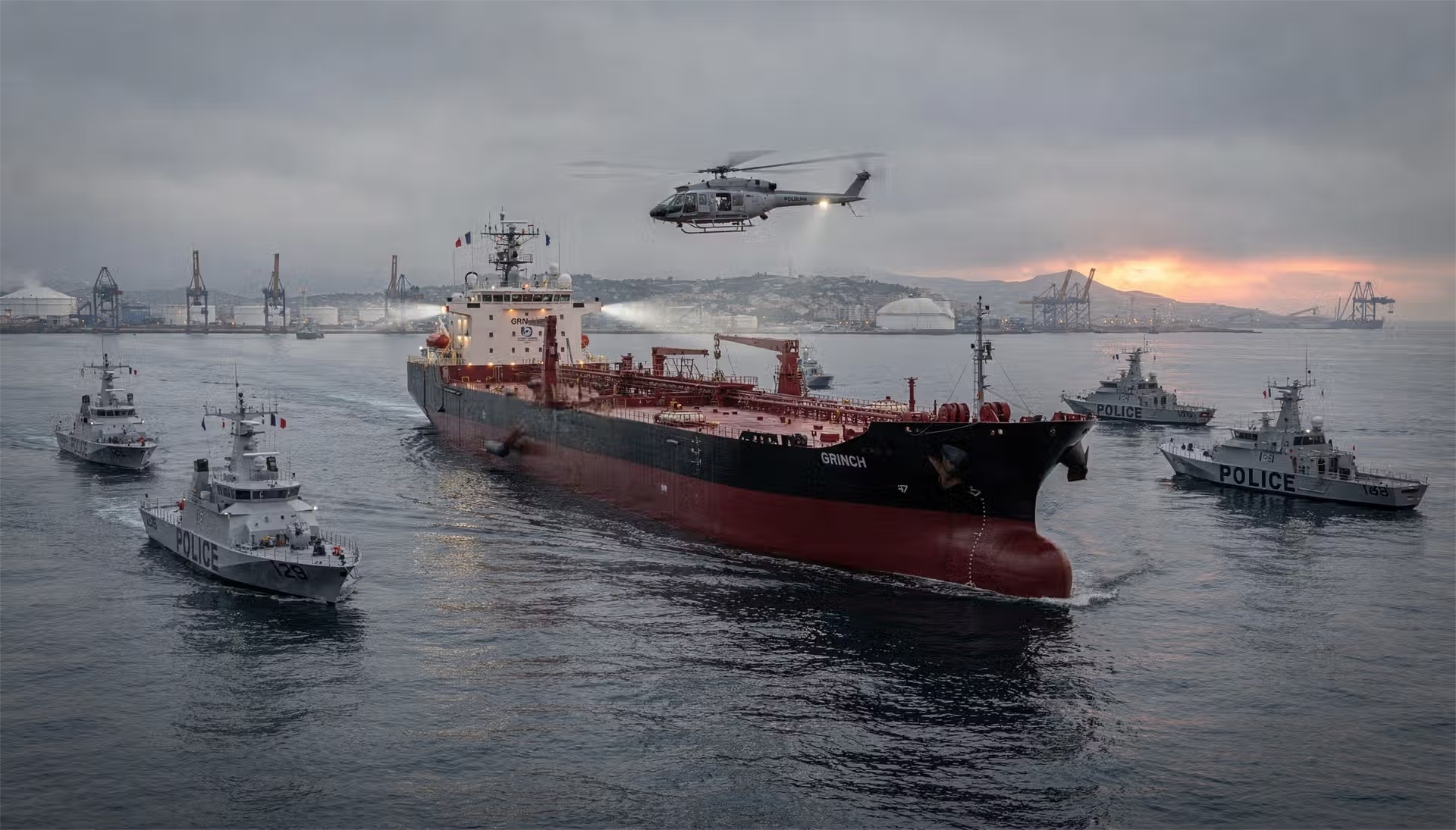
French naval forces recently detained an Indian captain following the high-seas interception of the oil tanker Grinch, a vessel linked to the clandestine maritime network supporting Russian energy exports. The 58-year-old officer was taken into custody on January 25, 2026, after the 249-meter vessel was diverted to the Gulf of Fos-sur-Mer under military escort. Marseille prosecutors confirmed the investigation centers on the failure to display a valid flag and the broader implications of participating in prohibited financial and trade activities. This enforcement action coincides with a sharp escalation in regional oversight, as authorities monitor a shadow fleet estimated at several hundred vessels. Legal proceedings in Marseille are now addressing the potential for severe penalties and the possible confiscation of the vessel and its cargo.
Table of Contents


Russian Shadow Fleet
The vessel known as the Grinch serves as a primary example of the complex maritime structures used to bypass international trade restrictions and price caps. Previously operating under the name Carl, the tanker has a documented history of changing its identity and registration multiple times to avoid detection by global financial monitors. Such maneuvers are central to the operations of the Russian shadow fleet, which utilizes aging vessels and opaque ownership models to transport crude oil. By frequently alternating between different national registries in a process known as flag-hopping, these ships attempt to obscure their connection to sanctioned entities. The French Navy, acting on intelligence coordinated with the United Kingdom, intercepted the tanker in the Alboran Sea after it departed from the Russian port of Murmansk earlier in January.
The judicial focus in Marseille is specifically targeted at the deceptive practices that facilitate the movement of illicit capital through the energy sector. Prosecutors are examining the legitimacy of the Comoros flag the Grinch was flying at the time of its seizure, as previous records indicated the vessel was already blacklisted by the United States, the United Kingdom, and the European Union. These regulatory bodies have identified nearly 600 ships that systematically ignore the price caps intended to limit the revenue available for military financing. The use of false documentation and fraudulent registries is a significant indicator of high-level evasion strategies that seek to reintegrate sanctioned oil proceeds into the legitimate global economy.



Maritime Sanctions Enforcement
The interception of the Grinch marks a significant transition from passive monitoring to active physical interdiction by European coastal states. President Emmanuel Macron has emphasized that these naval operations are essential for maintaining the integrity of international law and ensuring that trade restrictions remain effective. This case follows a similar detention in late 2025 involving the vessel Boracay, demonstrating a consistent policy of stopping tankers that exhibit suspicious navigation patterns or lack transparent ownership. Investigators are currently reviewing the ship’s navigation logs and communication records to determine the extent of the captain’s involvement in concealing the vessel’s true operational status.
Current legal frameworks allow for the seizure of vessels when there are reasonable grounds to suspect they are operating without a valid nationality or are engaged in activities that threaten regional security. The Marseille prosecutor’s office handles these specialized maritime cases, focusing on the intersection of maritime safety and financial crimes. The Indian crew members remain on board the vessel while authorities verify their individual roles and the authenticity of the maritime certificates provided. This heightened scrutiny is part of a broader effort to disrupt the logistical chains that allow for the continued export of Russian oil above the established G7 price limits.
Financial Integrity and Flagging
Flag-hopping represents a critical vulnerability in the global maritime regulatory environment that specialized agencies are now working to close. By moving a vessel from a reputable registry to a less restrictive one, operators can effectively hide the beneficial owners of the cargo and the ship itself. The Grinch had transitioned through at least five different flags in recent years, a behavior that triggered red flags within the maritime intelligence community. These tactics are designed to create layers of anonymity that protect the financial interests of sanctioned corporations. The ongoing investigation aims to peel back these layers to identify the specific entities providing the insurance and financial services that keep such tankers operational.
The impact of these enforcement actions extends beyond the immediate detention of a single ship. It sends a clear signal to the maritime industry that providing support to the shadow fleet carries substantial legal and financial risks. Port authorities and naval forces are increasingly utilizing satellite tracking and behavioral analysis to identify ships that disable their automatic identification systems or engage in suspicious ship-to-ship transfers. The Grinch case illustrates how physical boarding and subsequent judicial review serve as a final check against the sophisticated methods used to mask the origins of sanctioned commodities.
Evasion Tactics and Global Security
The persistence of the shadow fleet necessitates a coordinated response between judicial authorities and military forces to protect the global financial system. The Grinch investigation is not merely about a missing flag but about the systematic effort to undermine international agreements through fraudulent maritime practices. As the Marseille prosecutor continues to build the case against the detained captain, the focus remains on the broader network of brokers and managers who facilitate these voyages. The resolution of this case will likely influence future protocols for how coastal nations handle vessels that fail to comply with basic transparency requirements while transiting sensitive maritime corridors.
Efforts to combat the shadow fleet are also driven by the significant environmental risks posed by these aging and often uninsured tankers. By operating outside of standard regulatory oversight, these vessels bypass safety inspections and mandatory insurance coverages, creating a double threat of financial crime and ecological disaster. The French government’s resolve to intercept and divert such vessels reflects a policy of zero tolerance for activities that jeopardize maritime safety and the effectiveness of international sanctions. As the judicial process moves forward, the evidence collected from the Grinch will provide valuable insights into the evolving strategies used by those seeking to evade global trade restrictions.
Key Points
- The French Navy intercepted the oil tanker Grinch in the Mediterranean on January 22, 2026.
- An Indian national serving as the vessel’s captain was taken into custody for flag-related violations.
- The ship is suspected of being part of a shadow fleet used to circumvent Russian oil sanctions.
- Marseille prosecutors are leading a judicial investigation into the vessel’s registration and ownership.
Related Links
- United Nations Convention on the Law of the Sea Official Text
- European Council Information on Russian Oil Price Cap Sanctions
- UK Office of Financial Sanctions Implementation Shadow Fleet List
- FATF Guidance on Countering Illegal Financial Flows from Maritime Trade
- French Ministry of the Armed Forces Maritime Security Operations
Other FinCrime Central Articles About Shadow Fleets
- Russia’s Shadow Fleet: How Western Shipowners Fuel Sanctions Evasion
- How Shadow Fleet Laundering Fuels Iran’s Hidden Billions
- When Marine Insurance Turns Into a Laundering Conduit For Shadow Fleets
Source: Le Monde
Some of FinCrime Central’s articles may have been enriched or edited with the help of AI tools. It may contain unintentional errors.
Want to promote your brand, or need some help selecting the right solution or the right advisory firm? Email us at info@fincrimecentral.com; we probably have the right contact for you.